Text, audio and the FC26 launch
I tested Dutch text and audio in FC25 and FC26. For the FC26 launch, I was responsible for the Dutch version through each test cycle.
Muhammed Budak · Arnhem, NL
I work on project coordination and quality assurance, with a background in game design. Most recently, I worked at Electronic Arts in Madrid on FC25, FC26 and Dutch marketing content for FC Mobile and other mobile games.
My latest chapter at EAExplore my projects View CV (English PDF)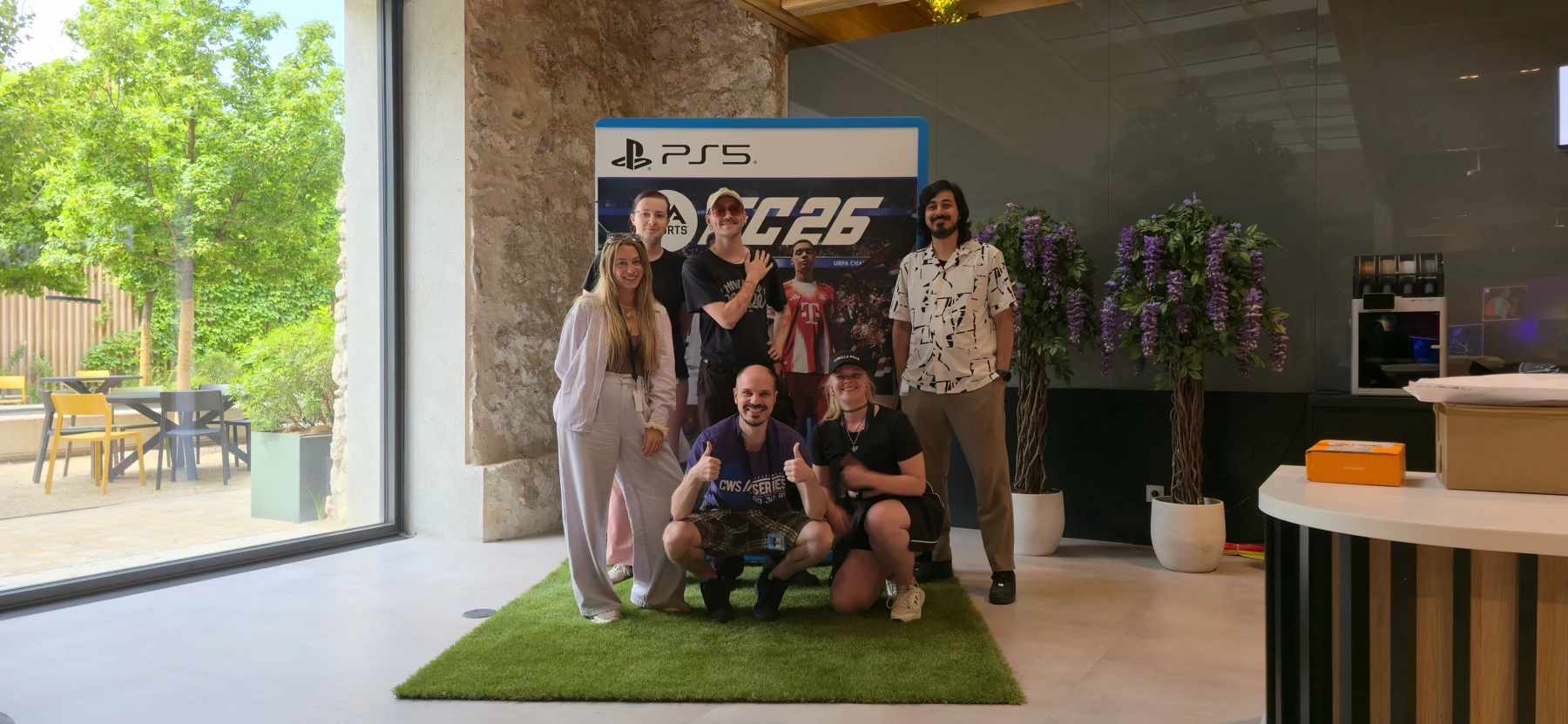
Dutch Localization Tester
Madrid, Spain · June 2024–February
2026
I tested Dutch text and audio for FC25 and FC26, including end-to-end responsibility for Dutch localization at the FC26 launch. I also checked Dutch marketing content for FC Mobile and other mobile games.
I tested Dutch text and audio in FC25 and FC26. For the FC26 launch, I was responsible for the Dutch version through each test cycle.
I was a point of contact between developers, producers and external partners across countries and time zones. I managed two parallel workstreams, tracked progress in Jira and Confluence, and raised risks early so we could agree on priorities.
I checked Dutch marketing text and video for FC Mobile and other mobile games before release in the Netherlands, reviewing translation accuracy.
Lead game designer in a six-person team · Delivered
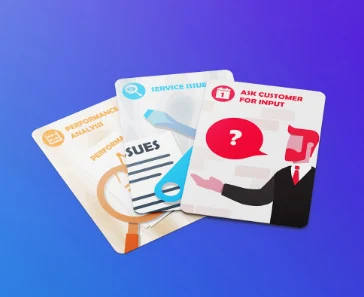
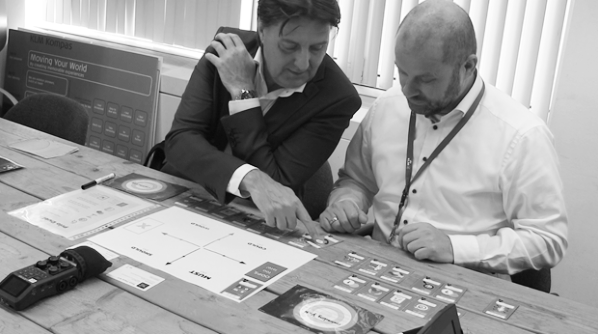
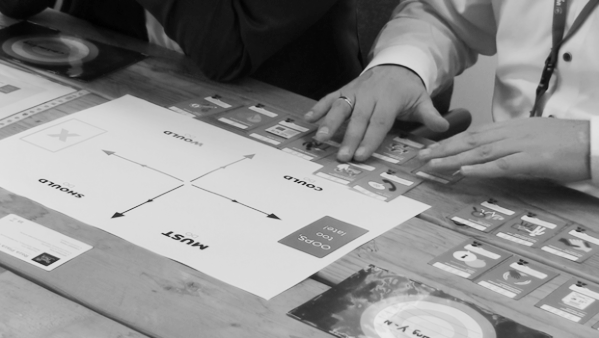
Air France–KLM account managers needed a way to discuss how they prioritise their work. Our team developed a card game based on the Eisenhower prioritisation framework. Players place tasks on a board and explain their priorities to each other.
Commercial and Cargo teams use different task decks with the same underlying rules. The reverse of each task card explains the action, so players can look up unfamiliar tasks without filling the front with text.
We replaced an early digital checklist with a physical game built around discussion. The team explored cooperative and competitive versions, tested with commercial and cargo employees, and adapted the content into separate decks.
We removed time limits after players focused on mathematical optimisation instead of discussion. We also replaced fixed priority labels with a gradient board and symbols, so players could express differences in priority instead of placing everything in an “important” box.
Testing with Cargo employees showed that one shared deck did not reflect both departments. We separated the Commercial and Cargo task cards and simplified the client cases with shorter text and imagery.
I led game design and helped develop the concept through weekly playtests and stakeholder feedback. The team worked together on the rules, task cards, visual design and production materials.
We delivered a production-ready game and hand-off materials, and presented the project at KLM Sales Day and at HKU. We supplied separate task decks, a rule book and templates so account managers could bring their own current client cases into the conversation.
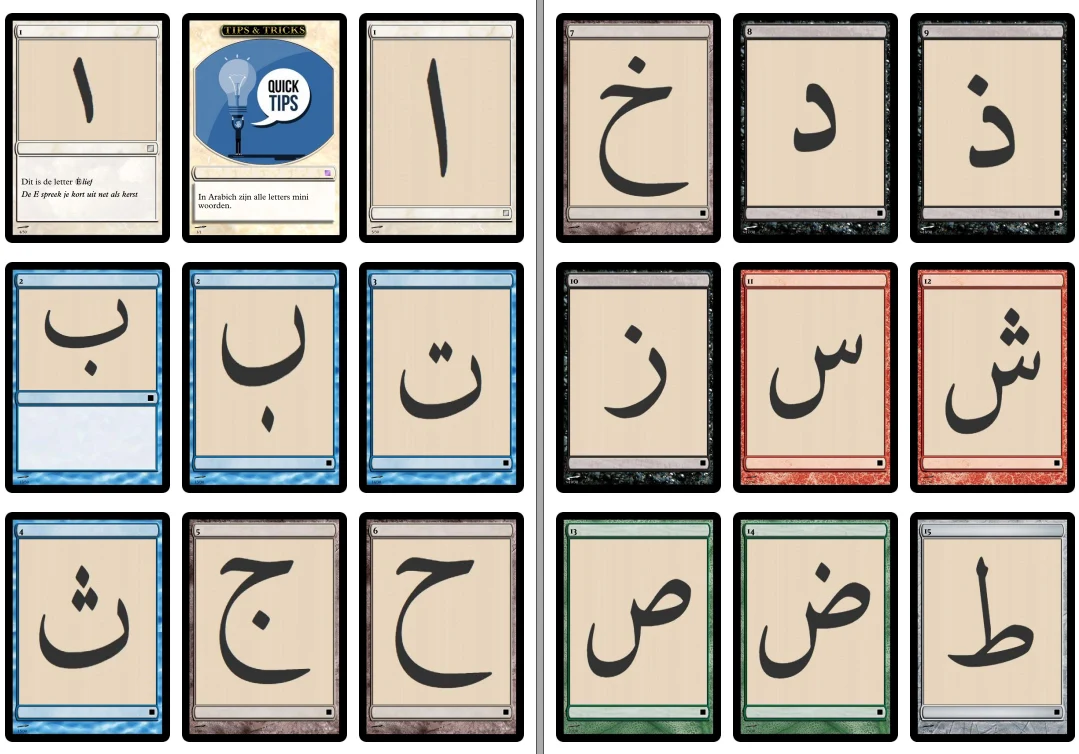
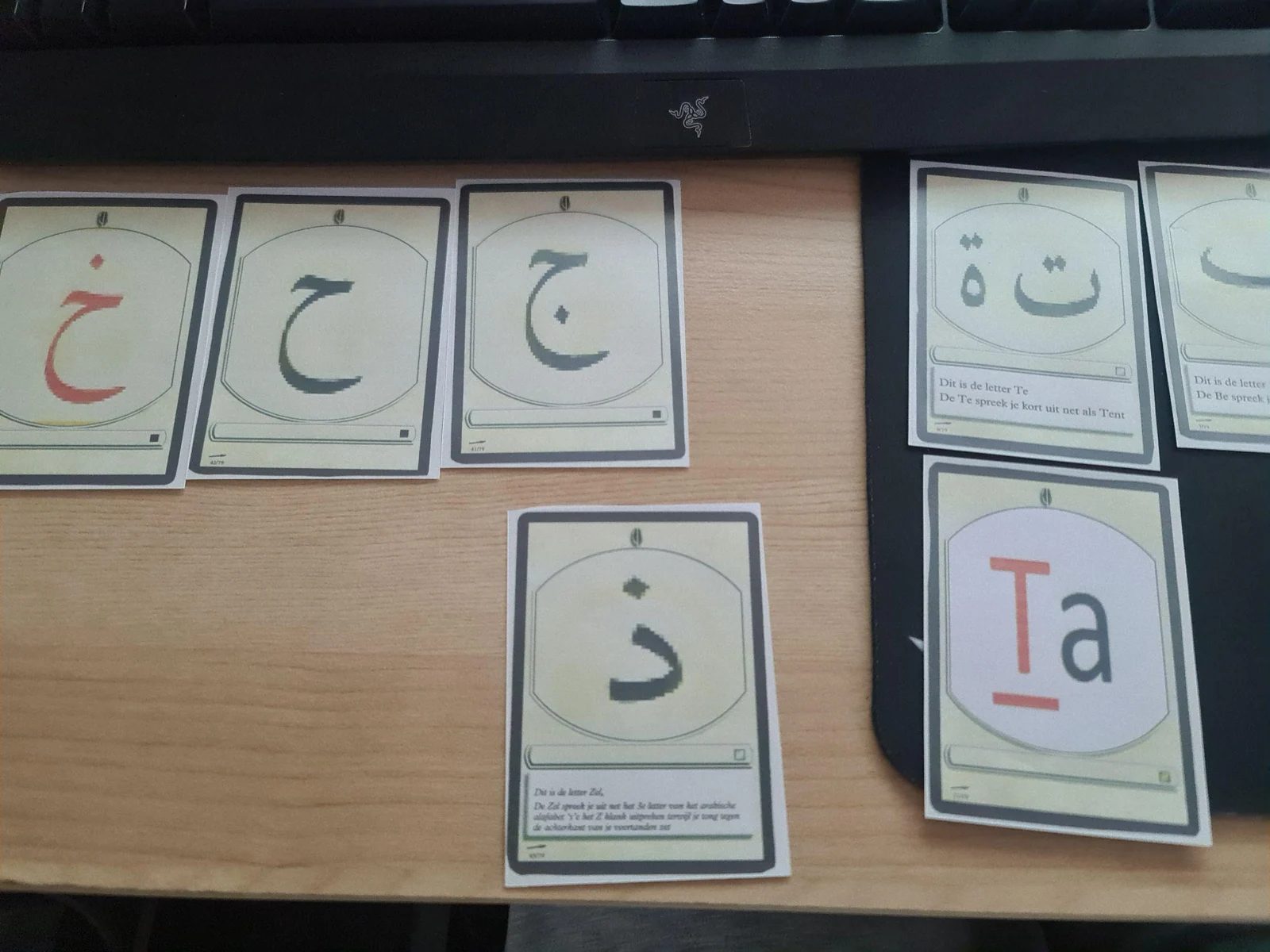
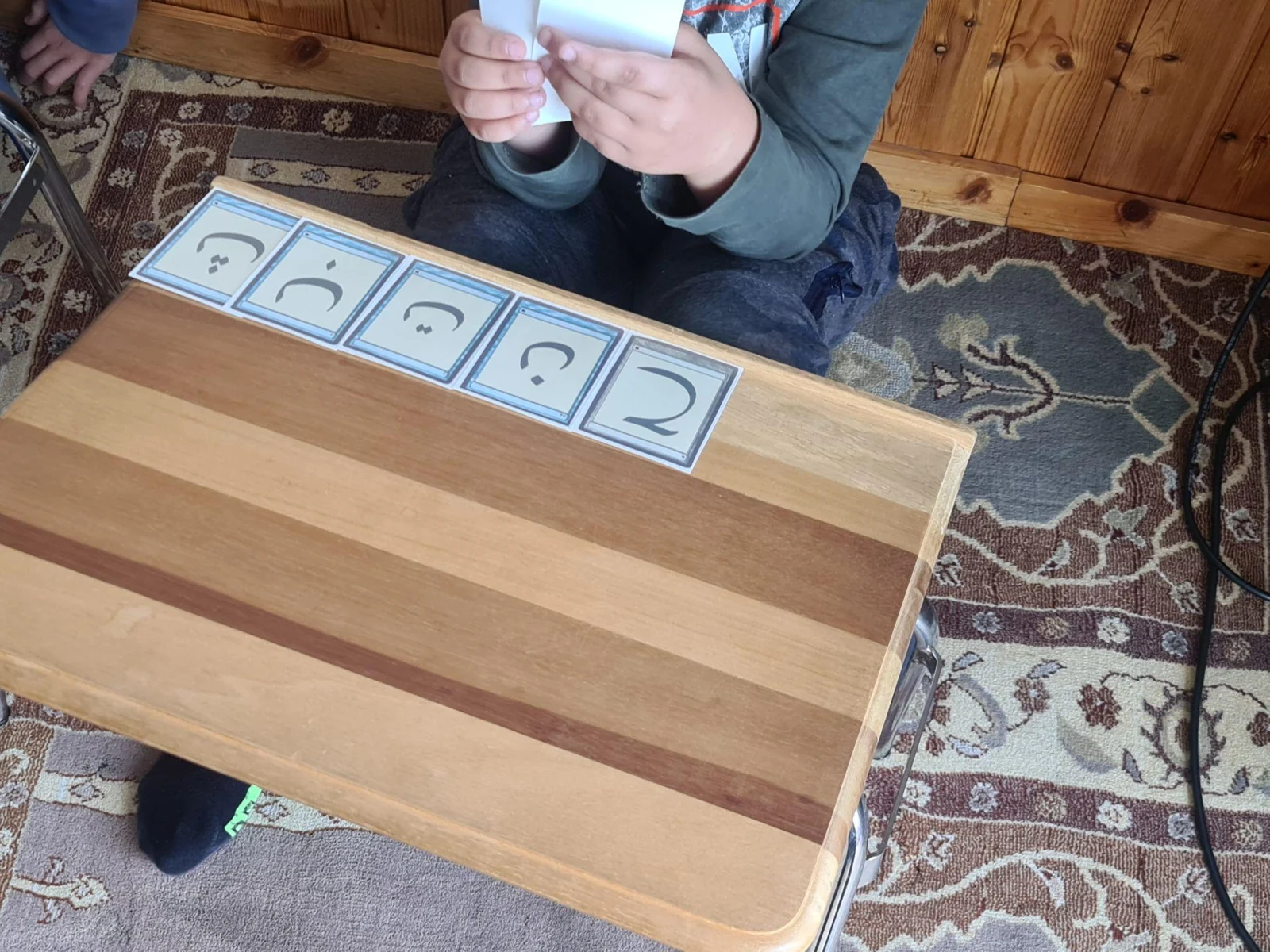
Prototype and testing photographs from my graduation presentation.
Research, game design and playtesting · Tested prototype
While teaching weekend classes, I saw how hard it could be to keep a large, mixed group of children engaged in learning to read Arabic. That classroom problem became the starting point for my graduation project at HKU.
How could learning feel more approachable when children have different starting points and teachers have limited time? I looked at class sizes, age differences, teaching time and the parts of learning that students found confusing. Existing learning apps offered a useful comparison, but turning the book into a screen did not resolve the underlying design problem.
I initially explored digitising the lessons into an app and a collection of mini-games. Reviewing existing apps, speaking with teachers and parents, and testing paper prototypes helped me see that simply adding game elements wasn't enough.
The first card-based version overwhelmed the children with too many cards and too little structure. I simplified the design in response to that feedback.
I grouped similar letters through colour, added numbers and used both sides of each card for letters and explanations. The cards could be rearranged, discussed and used by teachers, parents or peers. Learners could remove letters they already knew from their stack.
A teacher introduces the foundations, then learners practise with the cards. Learners can compare related letter forms, turn a card over for an explanation and help each other.
I used my classroom experience to guide the research, prototype design and playtesting. To reduce the initial overload, I simplified the cards, made the groups clearer and gave learners more structure.
The end-term presentation records three different tests involving more than ten students. Shortening the overall learning time was a research aim, not a proven outcome.
For these projects, I defined the concepts, mechanics and design decisions, directed the AI implementation, and tested and refined the results until they worked. All code was generated by AI.
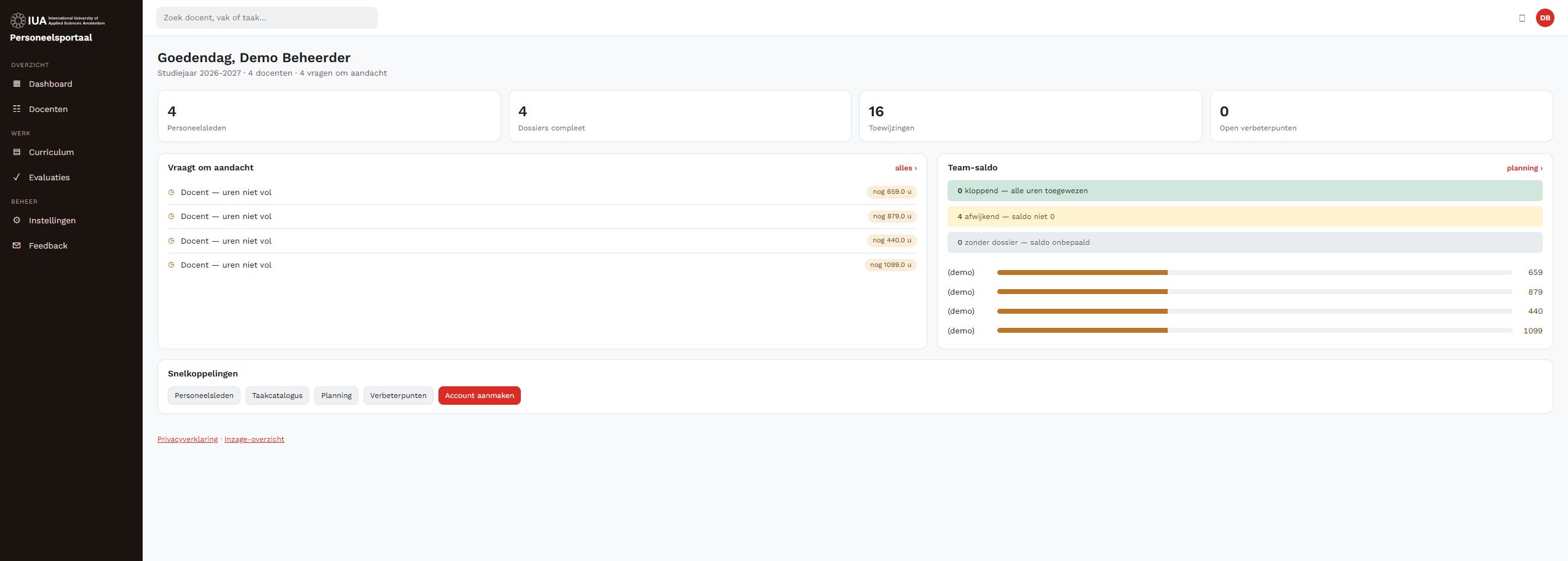
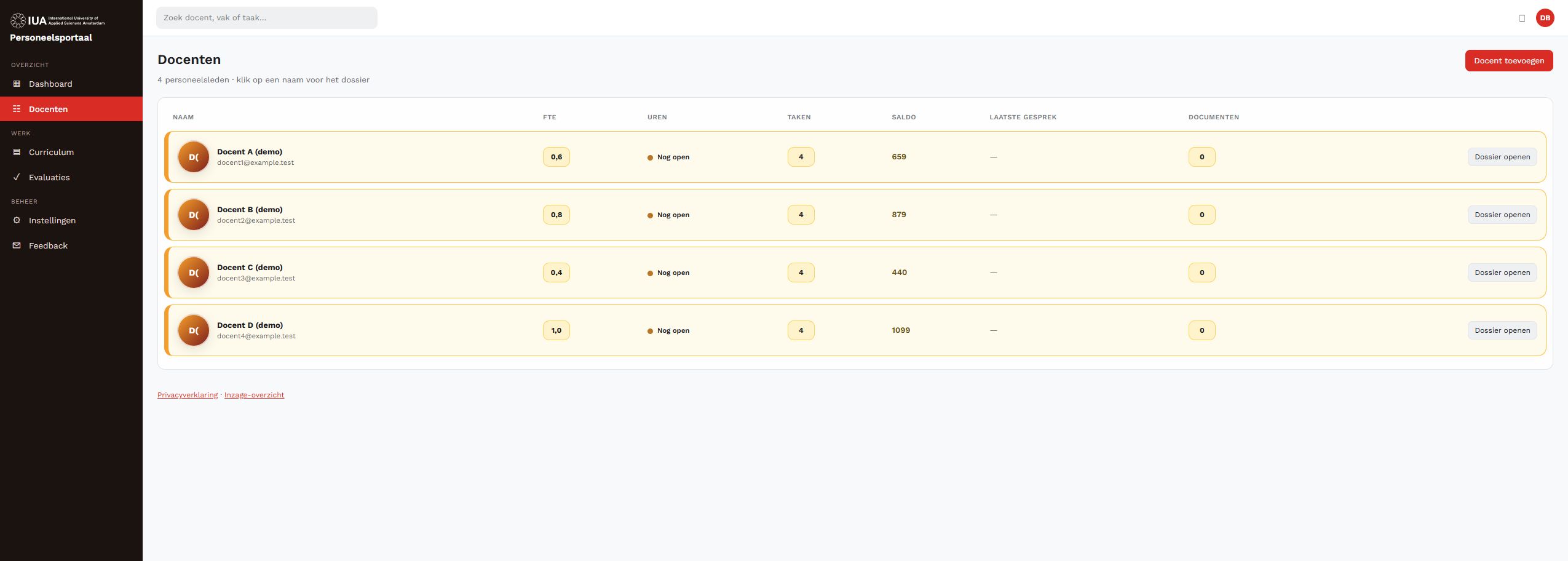
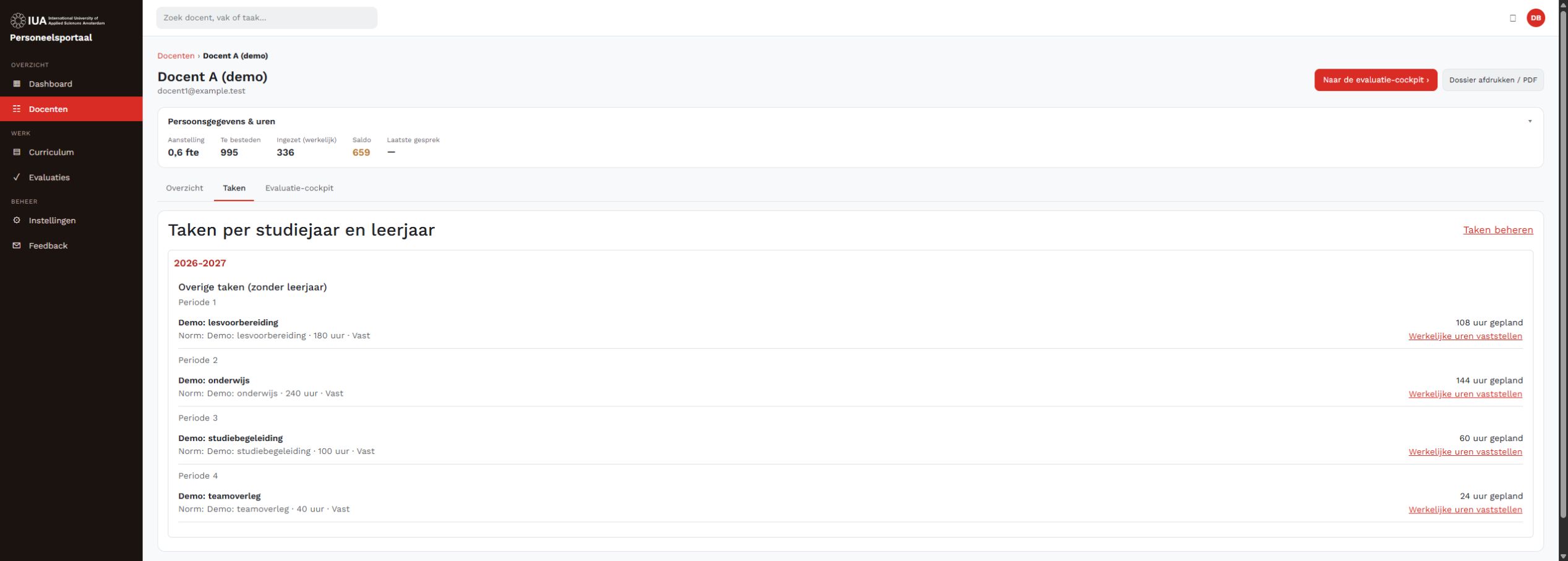
I made this staff portal for the International University of Applied Sciences Amsterdam (IUA).
It brings together staff records, task allocation and evaluations. The workload overview compares assigned hours with each staff member’s appointment (FTE).
Visit IUA’s website
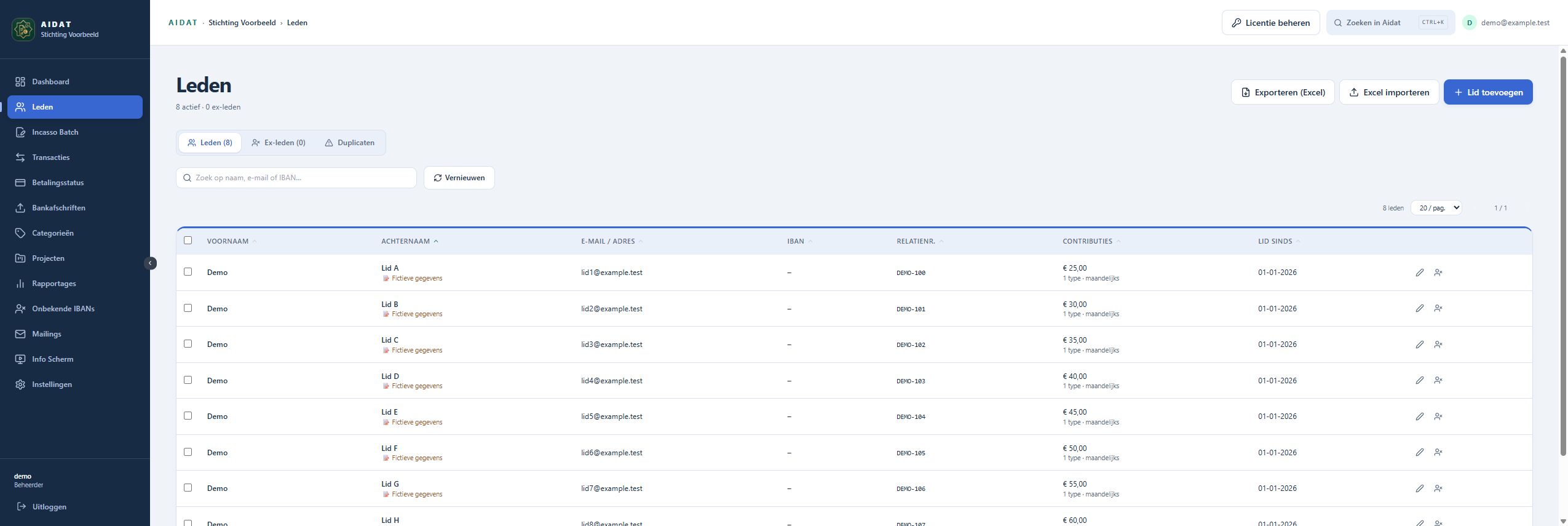
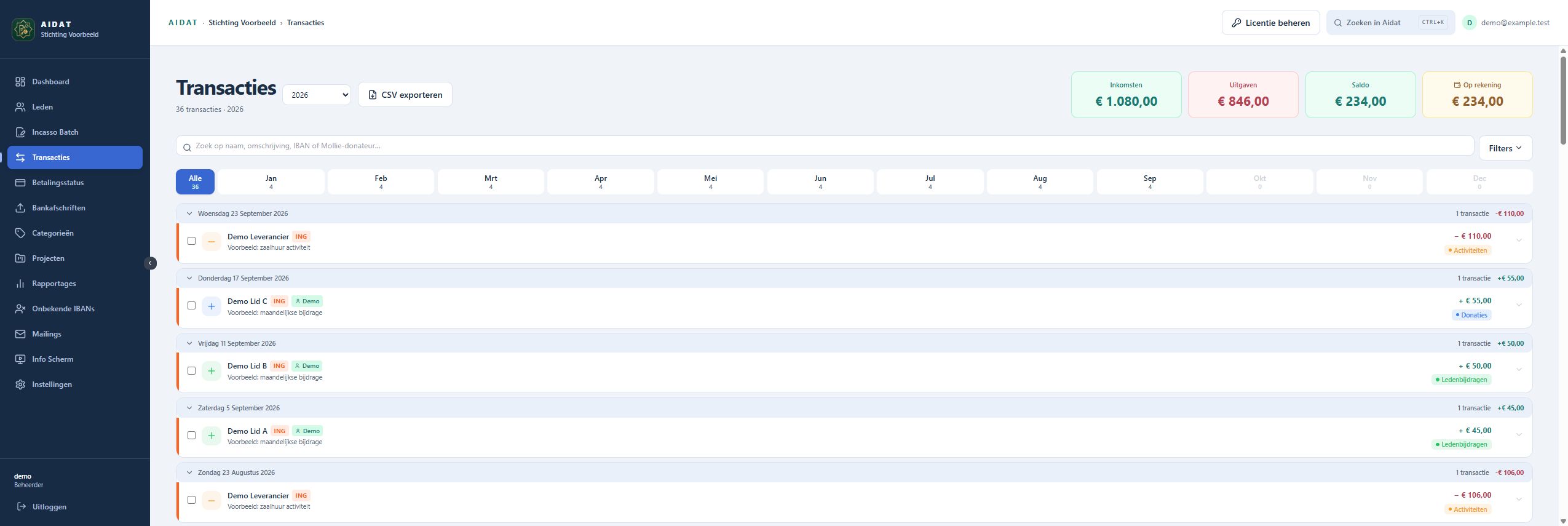
I’m building Aidat with AI to help non-profit organisations manage memberships and finances. It brings the day-to-day administration into one application, with both a Windows desktop version and a browser edition.
I’m working on how people enter information, find records and keep their administration organised.
The dashboard shows balances, income and expenses. The interface also includes member records, payments, bank statements and reports.
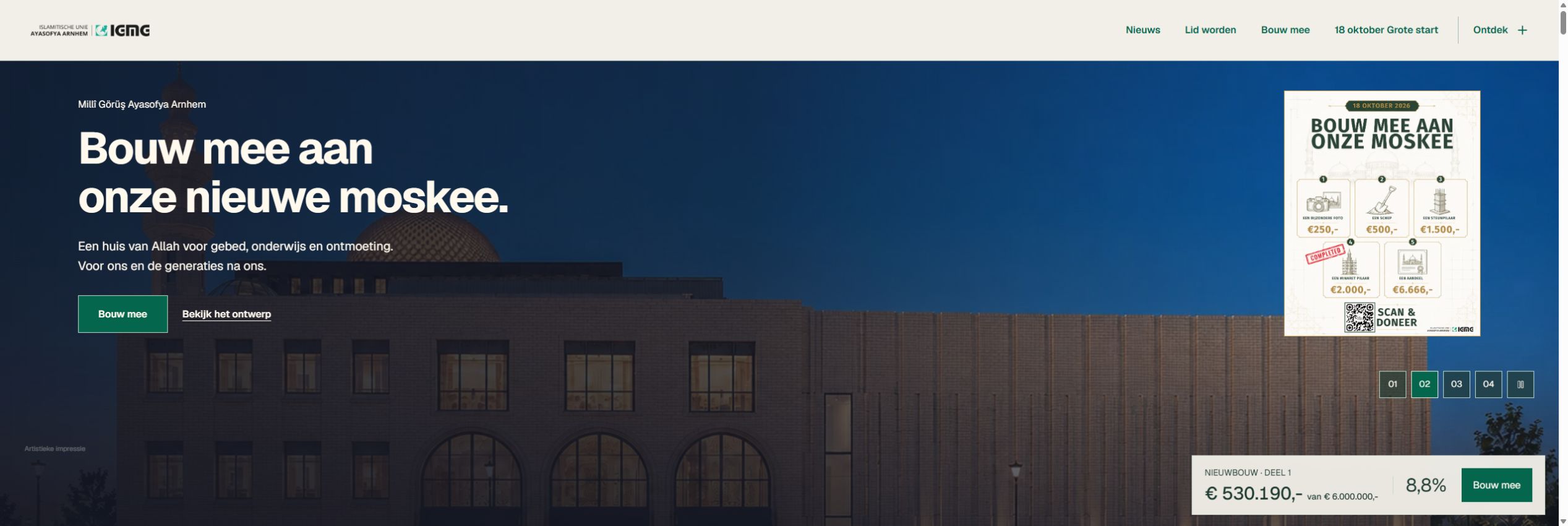
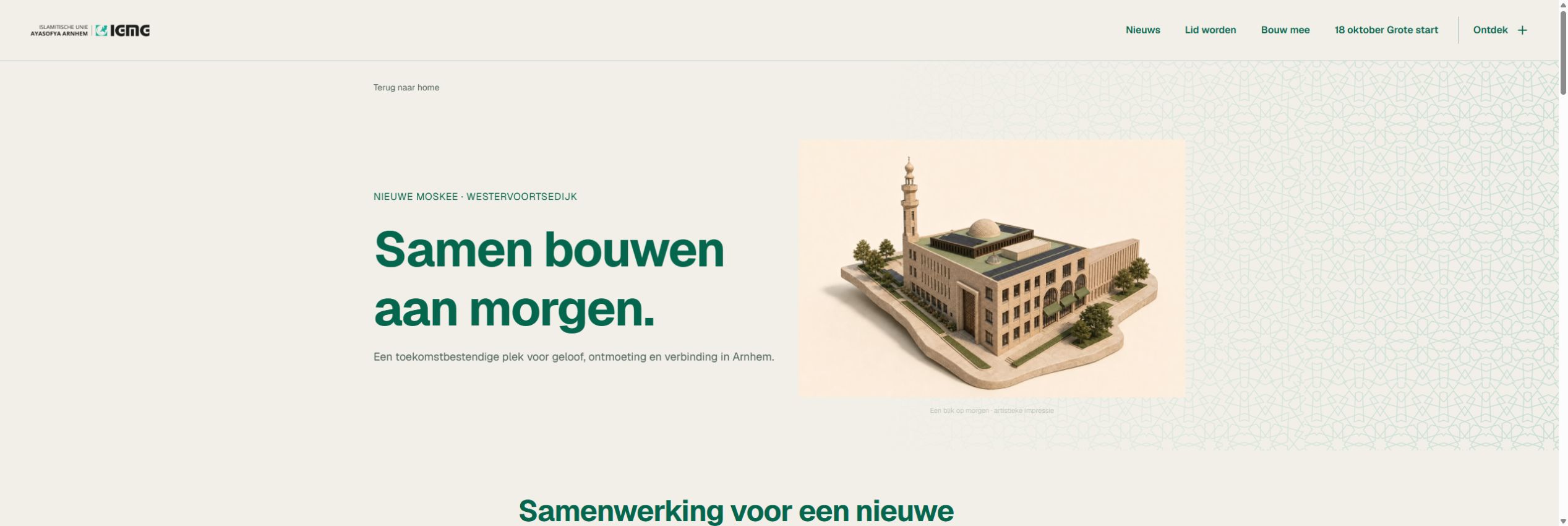
I made the website for Arnhem Ayasofya. It brings together community news, activities, membership information and the plans for the new mosque, including ways to contribute to its construction.
Visit arnhemayasofya.nl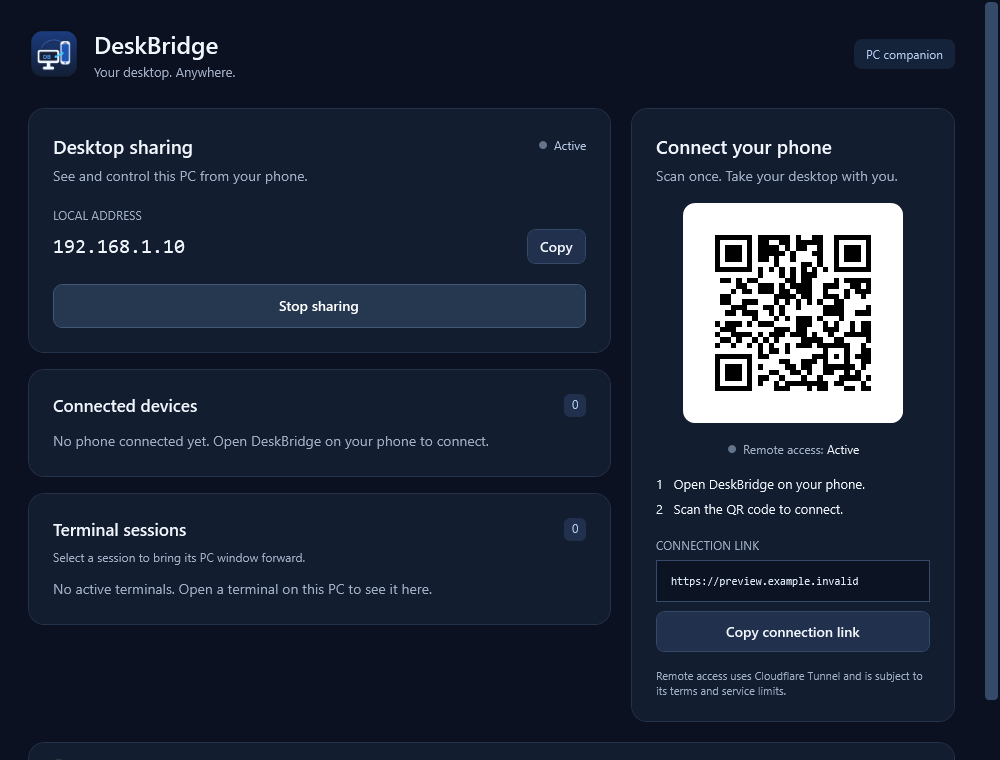
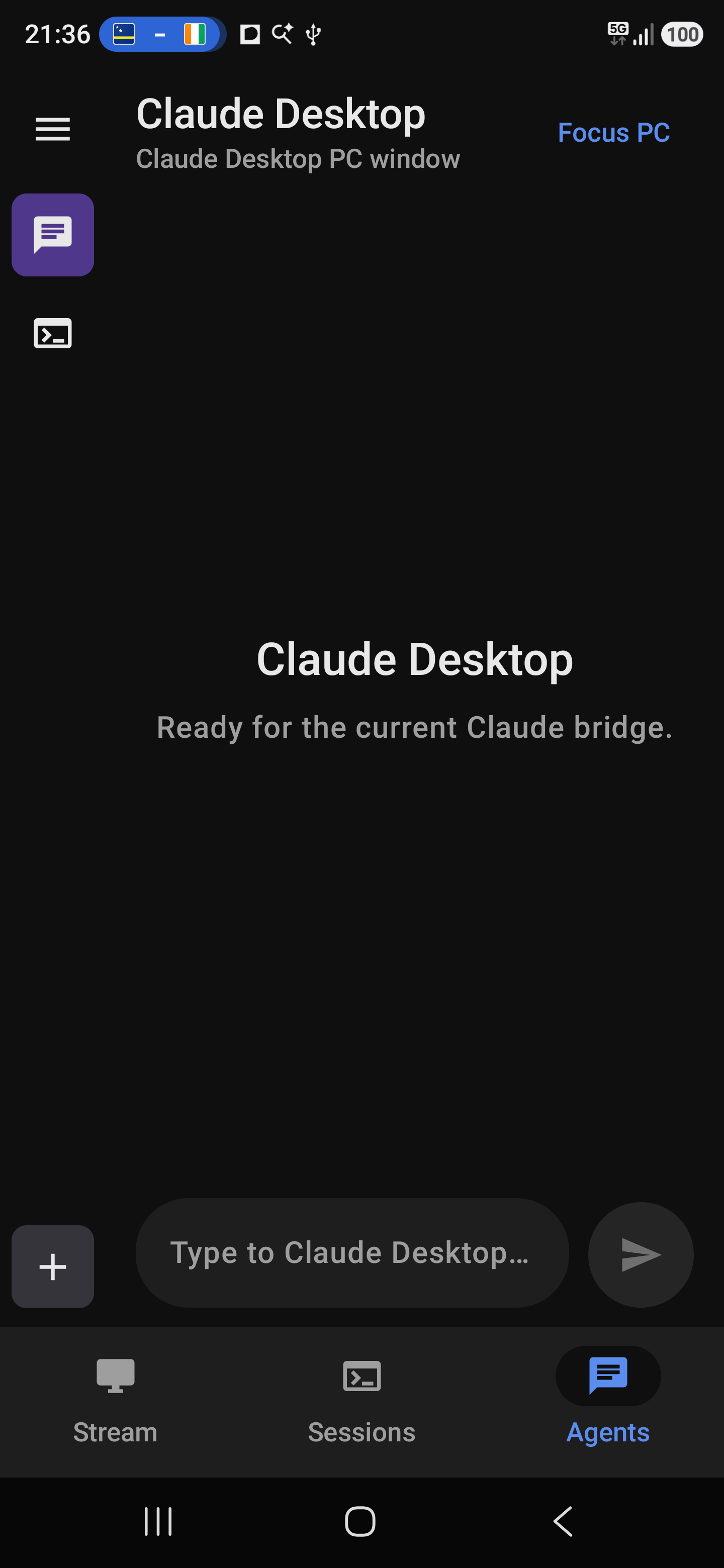
A personal project connecting my Windows PC to an Android phone. DeskBridge combines desktop screen mirroring, touch controls and a virtual keyboard with a Claude Desktop companion.
I’m exploring how to adapt desktop navigation and input to a phone screen.
The desktop interface includes connection and pairing controls.
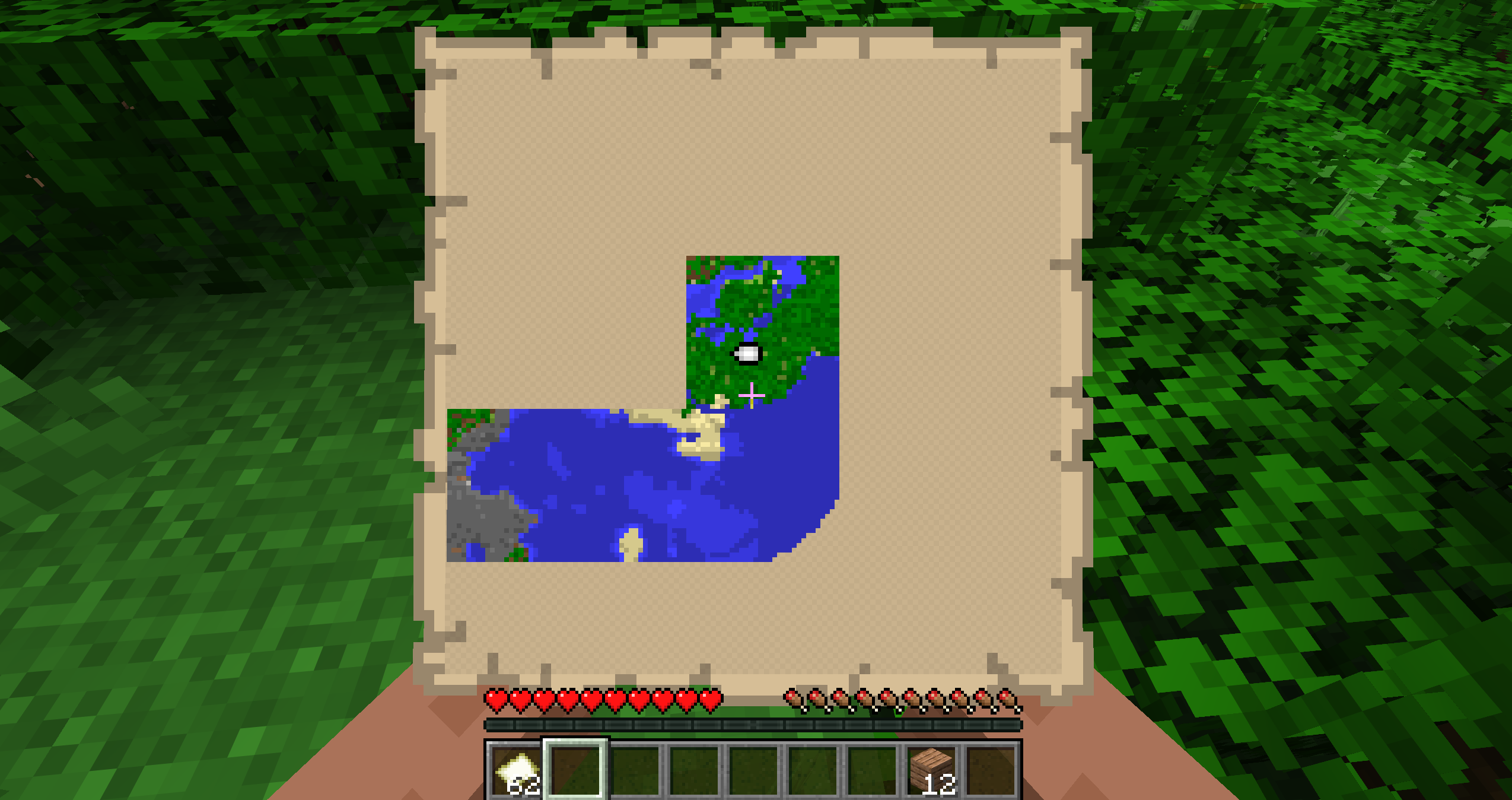
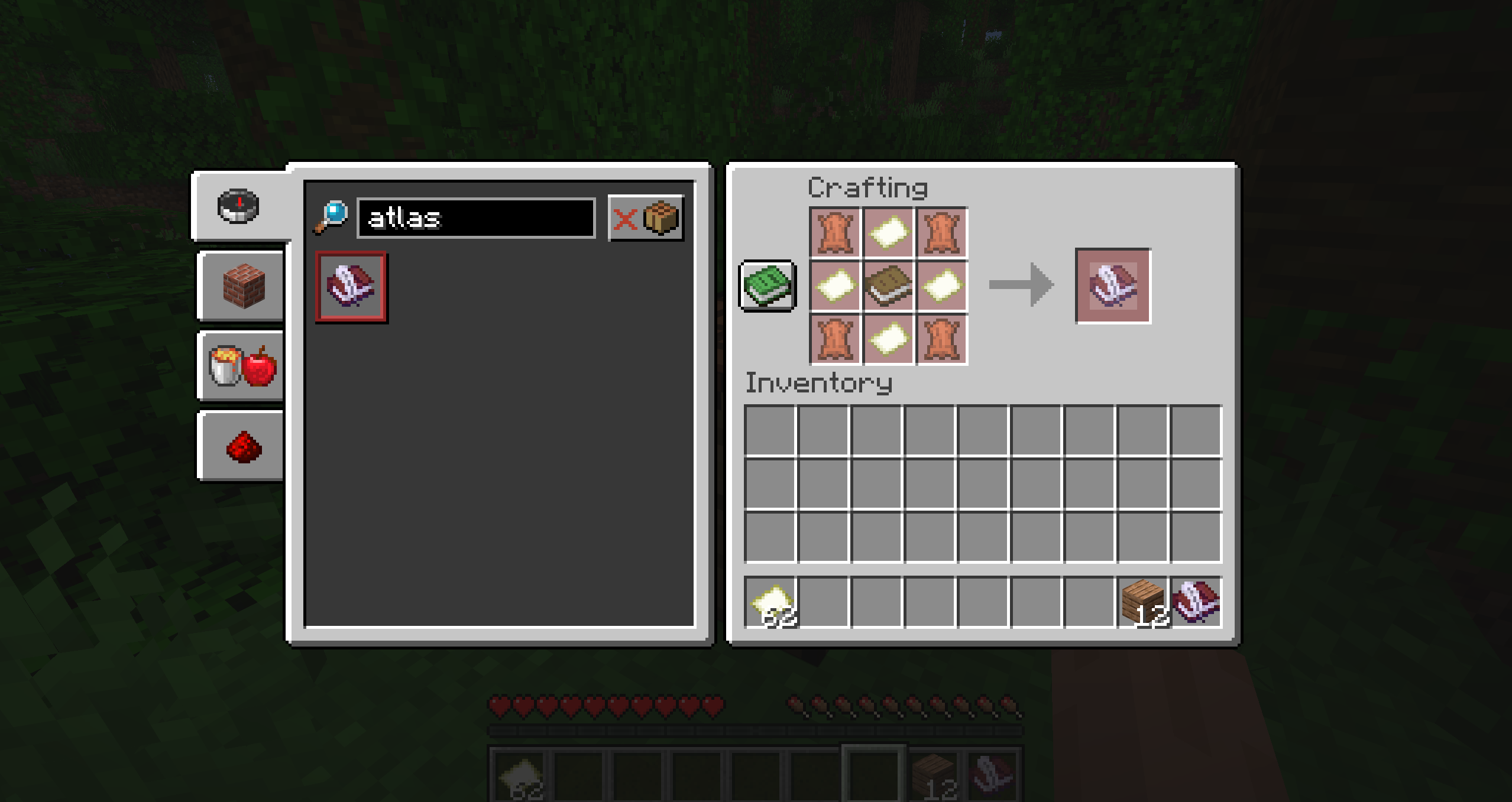
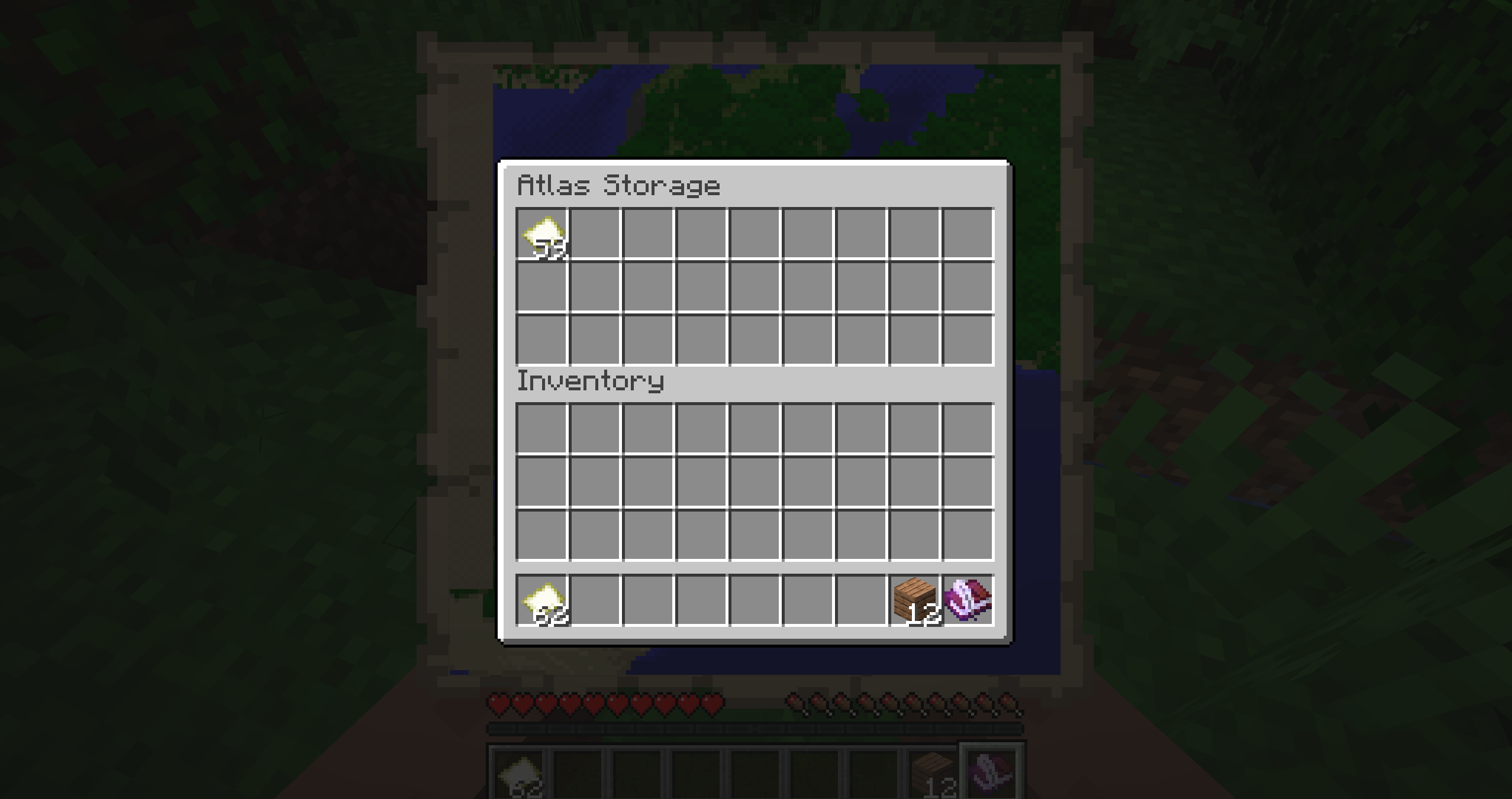
Atlas replaces a collection of separate Minecraft maps with one expanding map. It charts new areas as you explore, uses empty maps as its resource and can be held while you keep walking.
I wanted it to fit the game’s existing map system, with zoom and pan controls that make a larger world easier to navigate.
View Atlas on ModrinthEach empty map adds another area to the atlas. A dedicated slot keeps it accessible while exploring.
View the source on GitHub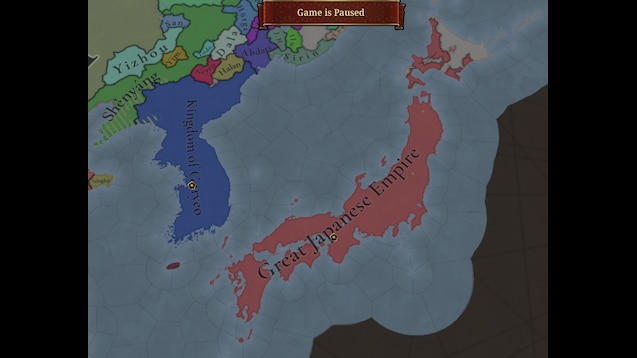
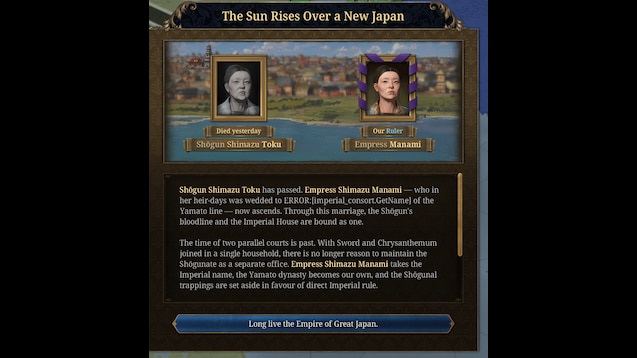
I started Japan Restored to fix parts of EU5’s Japan and Sengoku systems. The mod changes progression from unification to the Shogunate and Empire, and adds a samurai and dojo system.
It also includes interface improvements and an event guide. It’s available on Steam Workshop, with balancing and playtesting still part of the work.
View Japan Restored on Steam WorkshopThe samurai and dojo system develops across six ages. Interface changes include castle upgrades and minting controls.
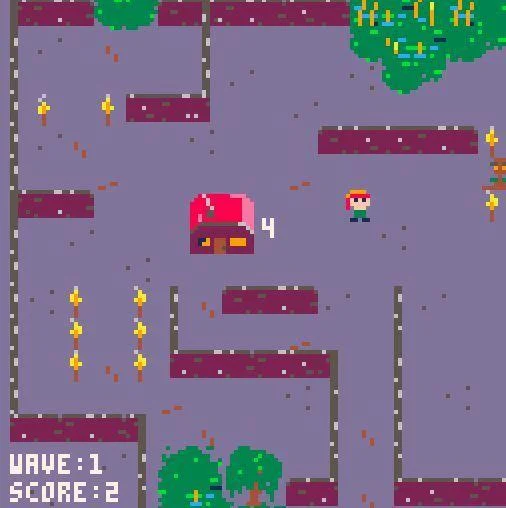
Student team project
A short tower defence project made in PICO-8 with Nathan Flier. I worked on game design and public relations; Nathan worked on development and game design.
I also worked on social media and presented the game to an audience.
Screenshot from my 2018 student portfolio.
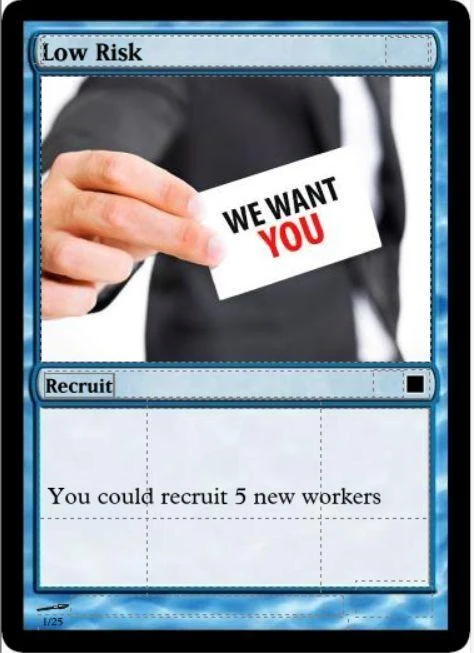
Student team project
An eight-week project that evolved from a board game into a card game. I used video blogs to document what I had made and what I wanted to change next.
My work covered balancing, paper prototyping and testing. I tested the rules by playing paper prototypes, an approach I later used in PaperBird and Elif Ba.
Early prototype imagery from my student portfolio.
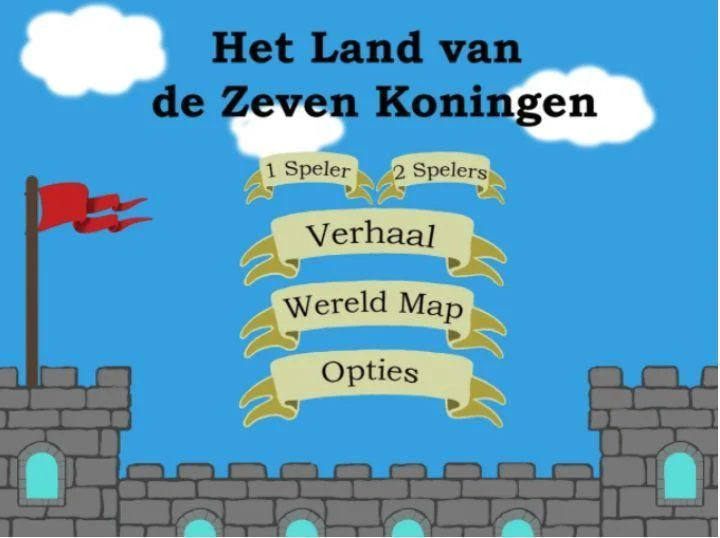
Student team project
An applied game project for people with acquired brain injury, developed by a five-person team of four artists and me as game designer.
I worked on research, management and planning, with the needs of people with acquired brain injury guiding the design brief.
A student design project; no clinical outcome is claimed.
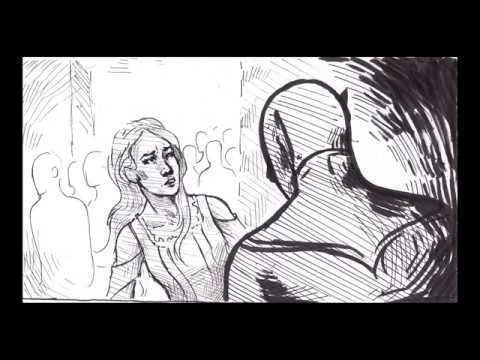
Student team project
A team project that revisited our first-year narrative work and developed it into a story pilot. My contribution combined story and gameplay, alongside teammates working on art, filming, editing and gameplay.
The work included scenario writing, worldbuilding and a paper prototype. In our narrative coursework, we explored how cultures, languages, beliefs and relationships in a fictional world affect a player’s choices.
I studied Application Development at Rijn IJssel, where I learned skills I later used to prototype game ideas.
BSc Game Design at HKU University of the Arts Utrecht. From first Unity experiments and storyworlds to playtesting, applied games and my Elif Ba graduation project.
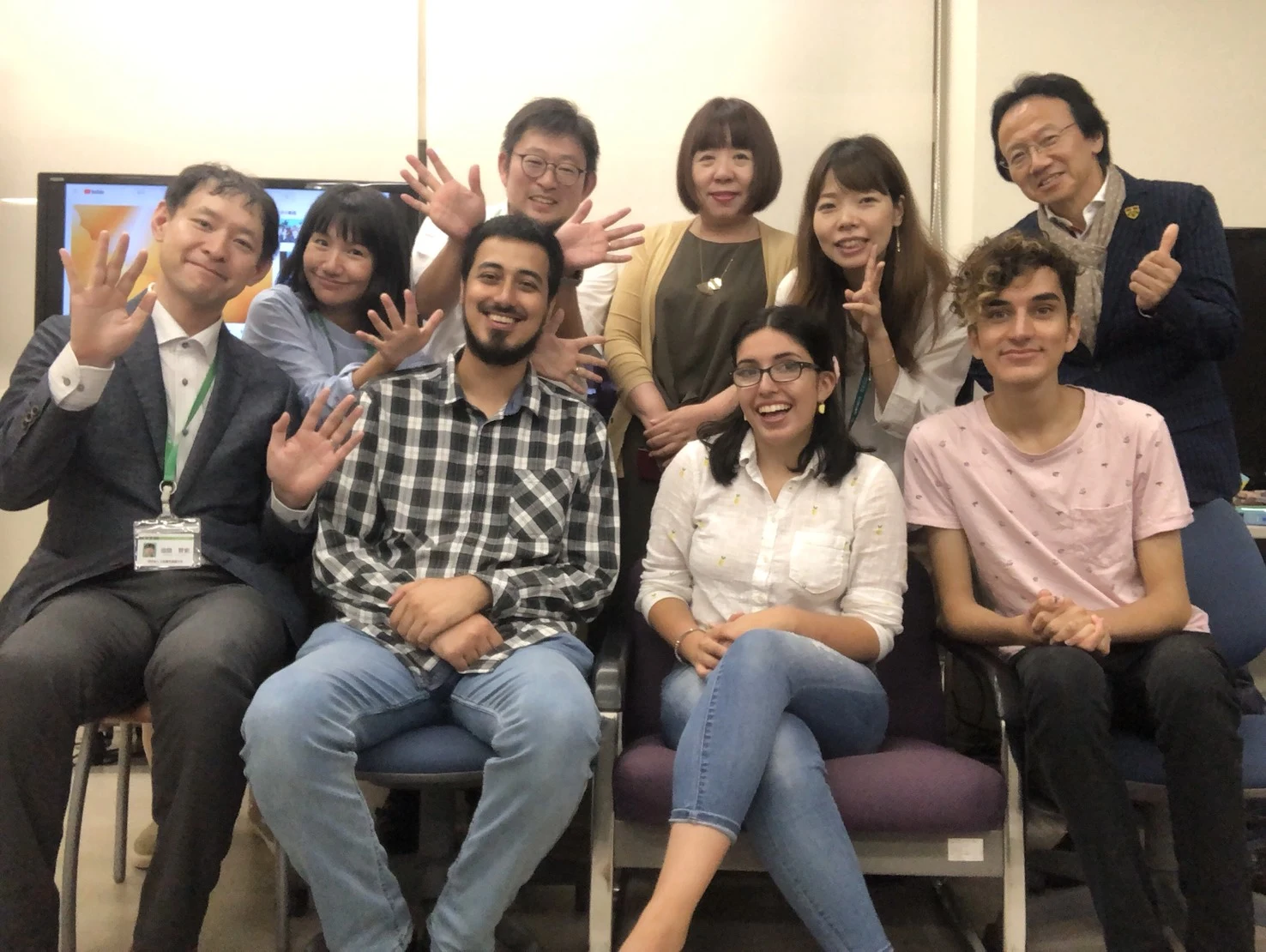
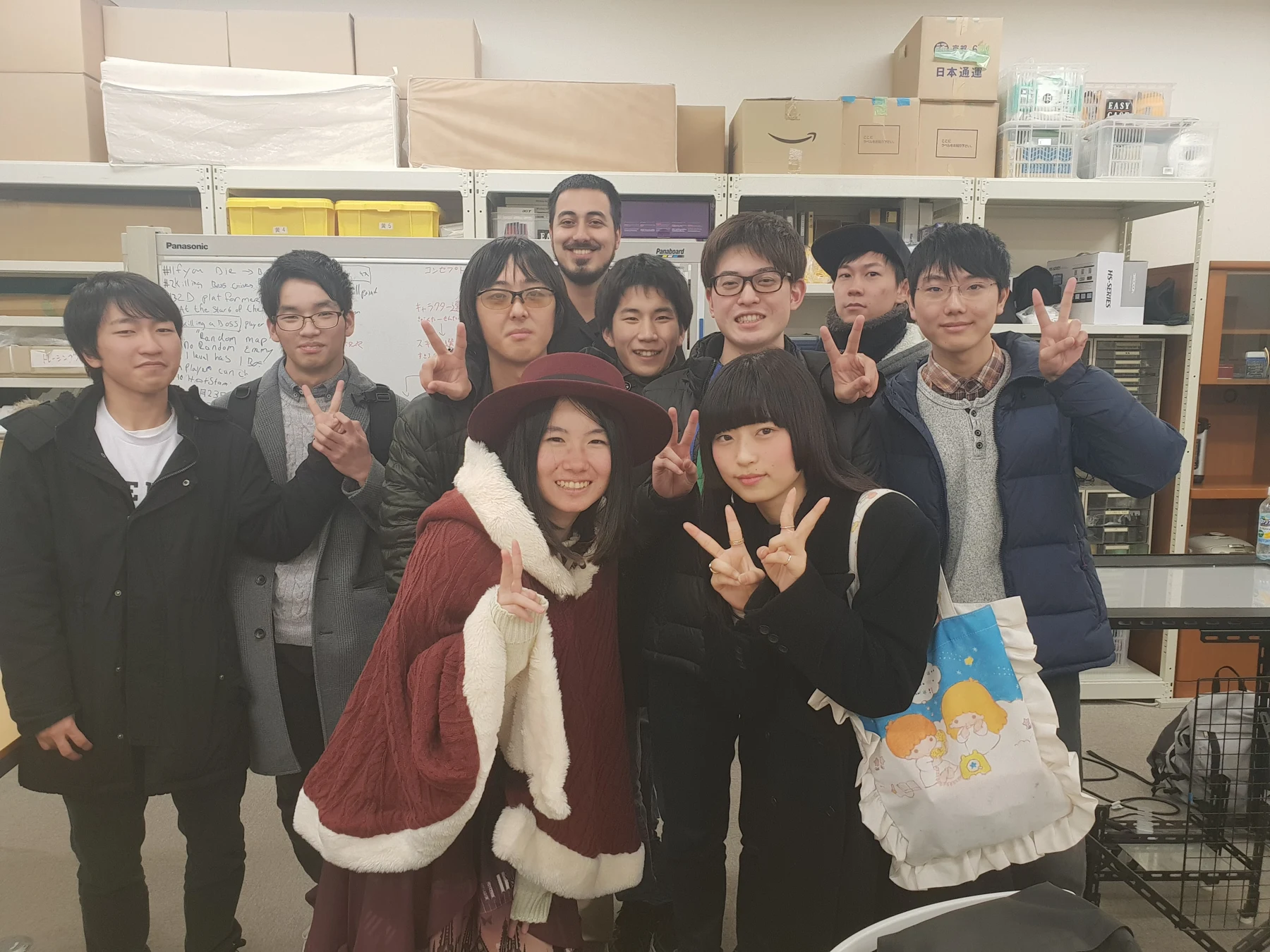
A five-month game design exchange at Osaka Electro-Communication University, Japan, and a game jam at POSTECH in South Korea representing HKU.
Game design and testing on Exodus Burned, followed by leading game design on the collaborative PaperBird project for Air France–KLM.
At VR Learning Lab, I taught computational thinking, CoSpaces and VR through practical activities.
Dutch localization testing on FC25 and FC26, including ownership of Dutch text and audio for the FC26 launch. Marcom work on FC Mobile and other mobile games. Read about my EA chapter.
Building Aidat, DeskBridge and a community website, and experimenting with Minecraft and EU5 mods. Explore my side projects.
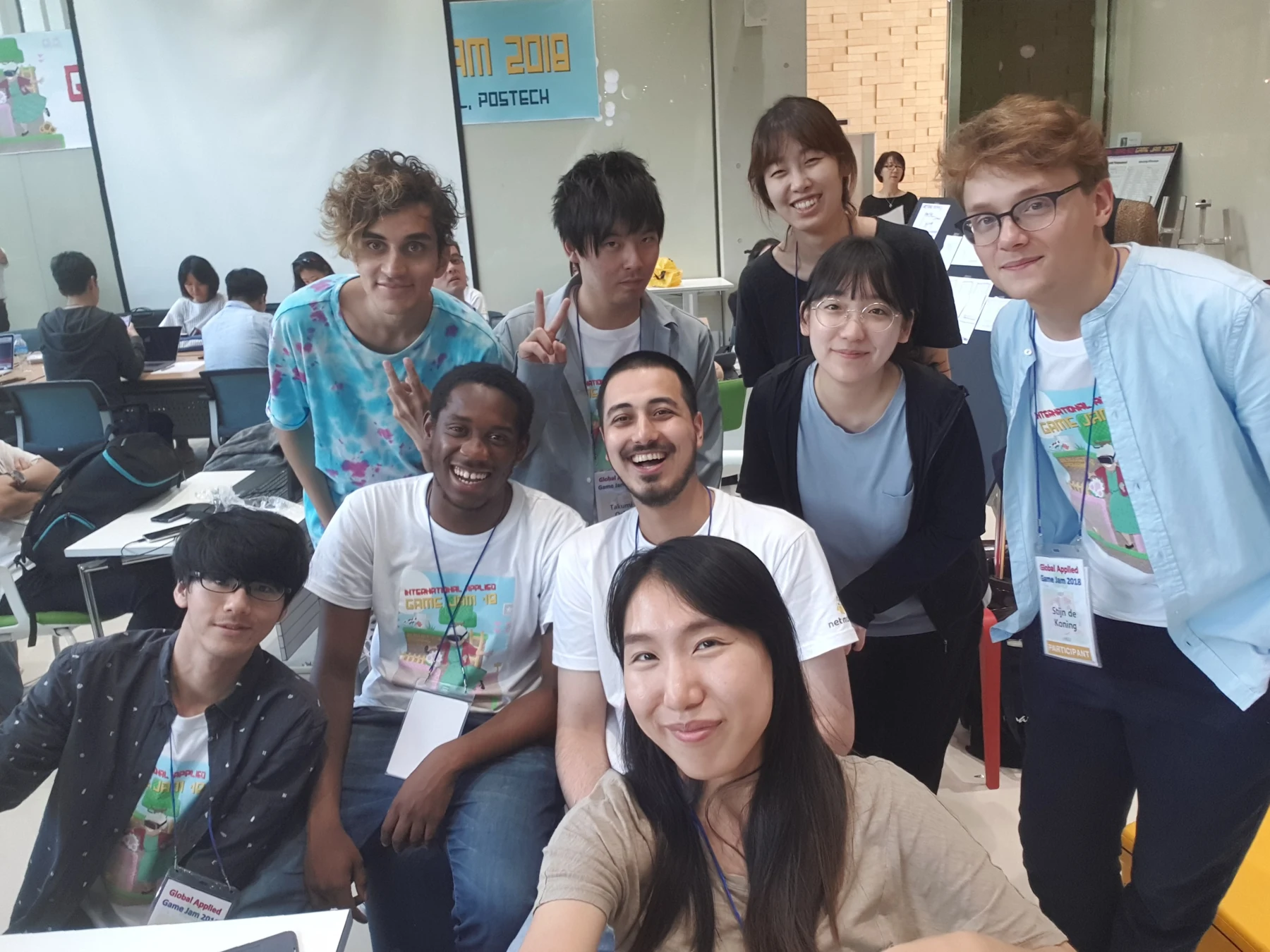
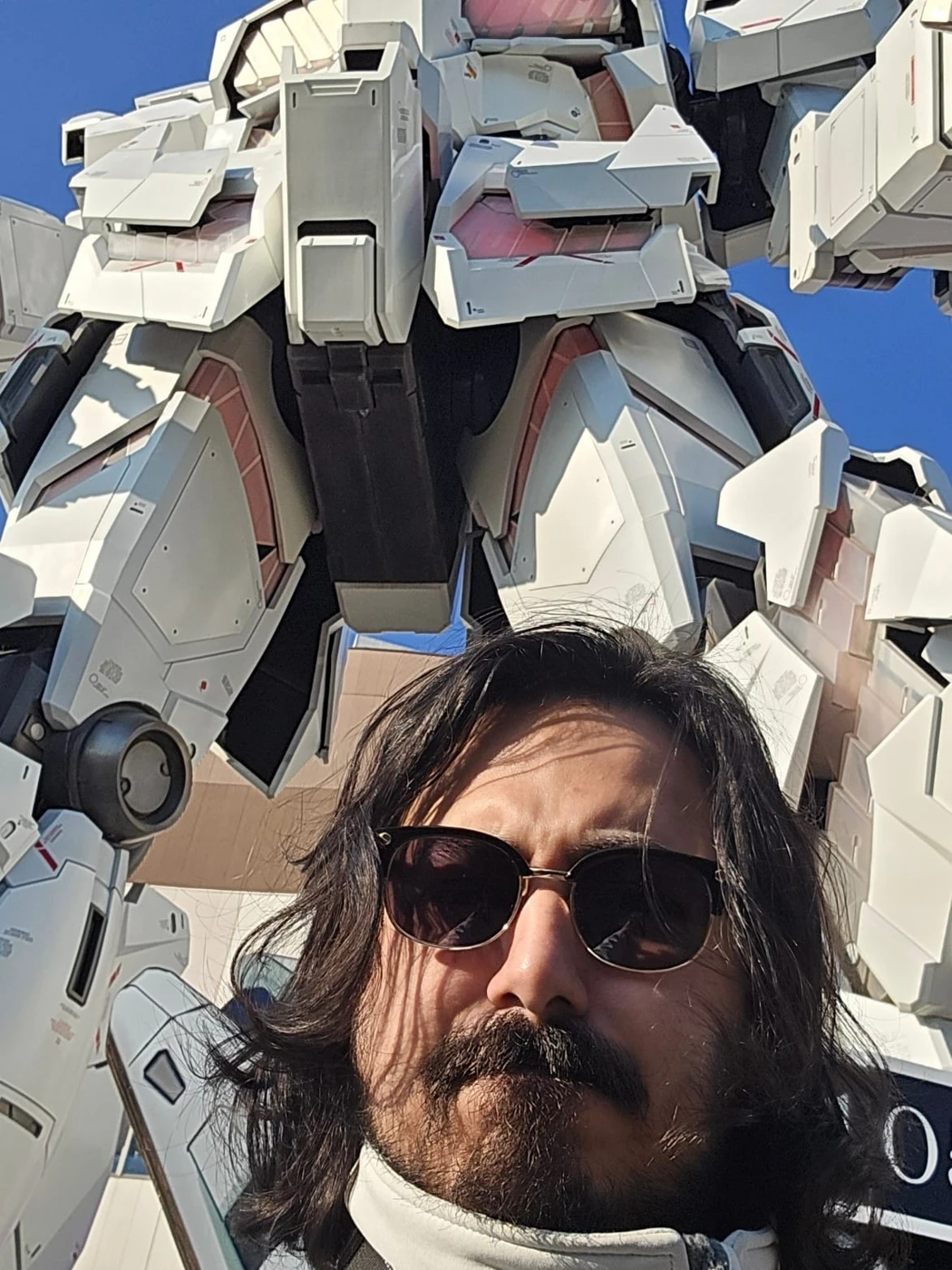 Hi, I'm Muhammed.
I'm a designer from Arnhem with a love for games, history and the way people see the world.
I like learning about cultures through travel. Teaching has shaped my interest in learning through play, and I draw on both when designing games.
Outside my professional work, I’ve taught weekend classes in my community and volunteered in Sudan and Gabon.
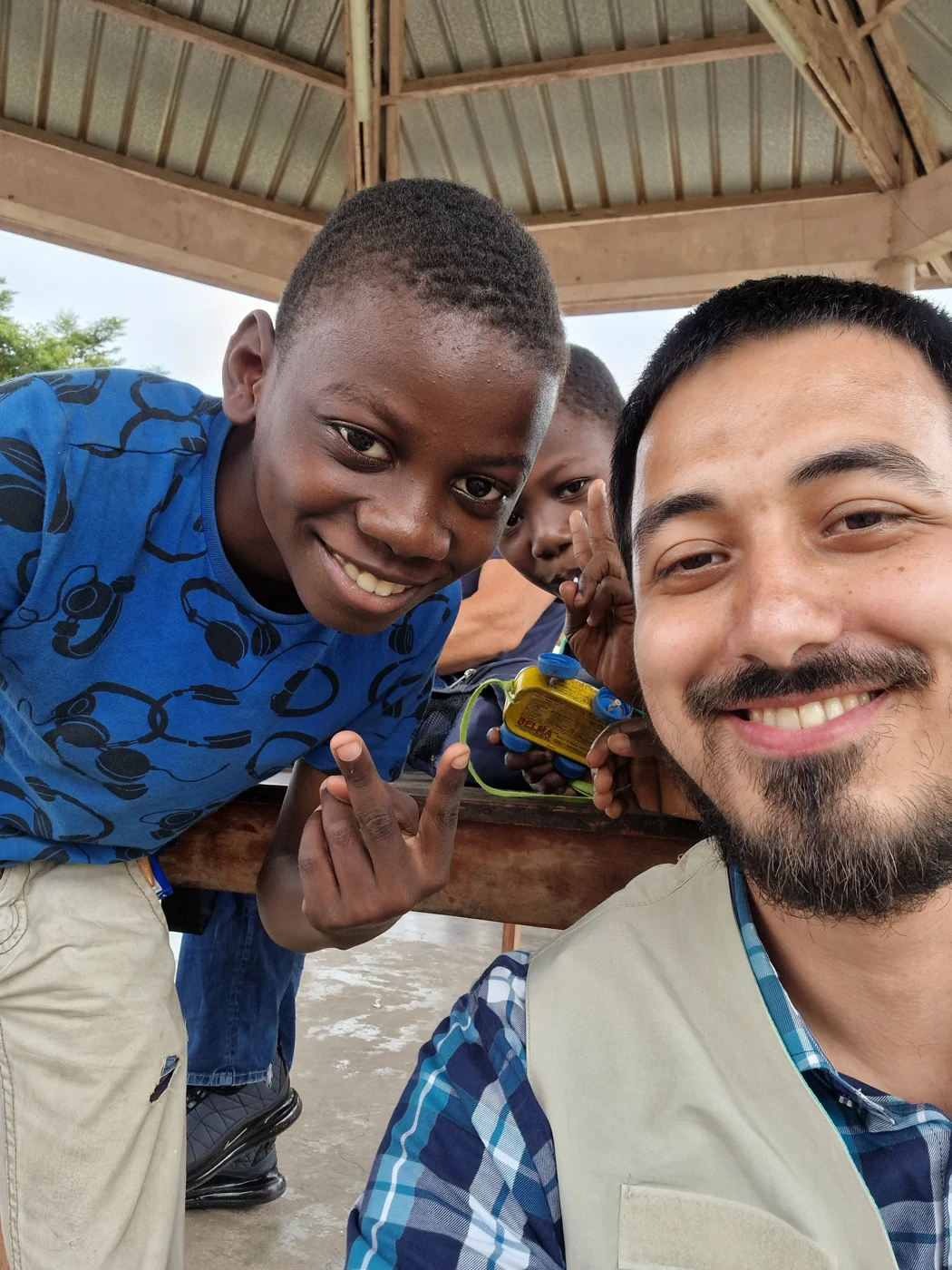
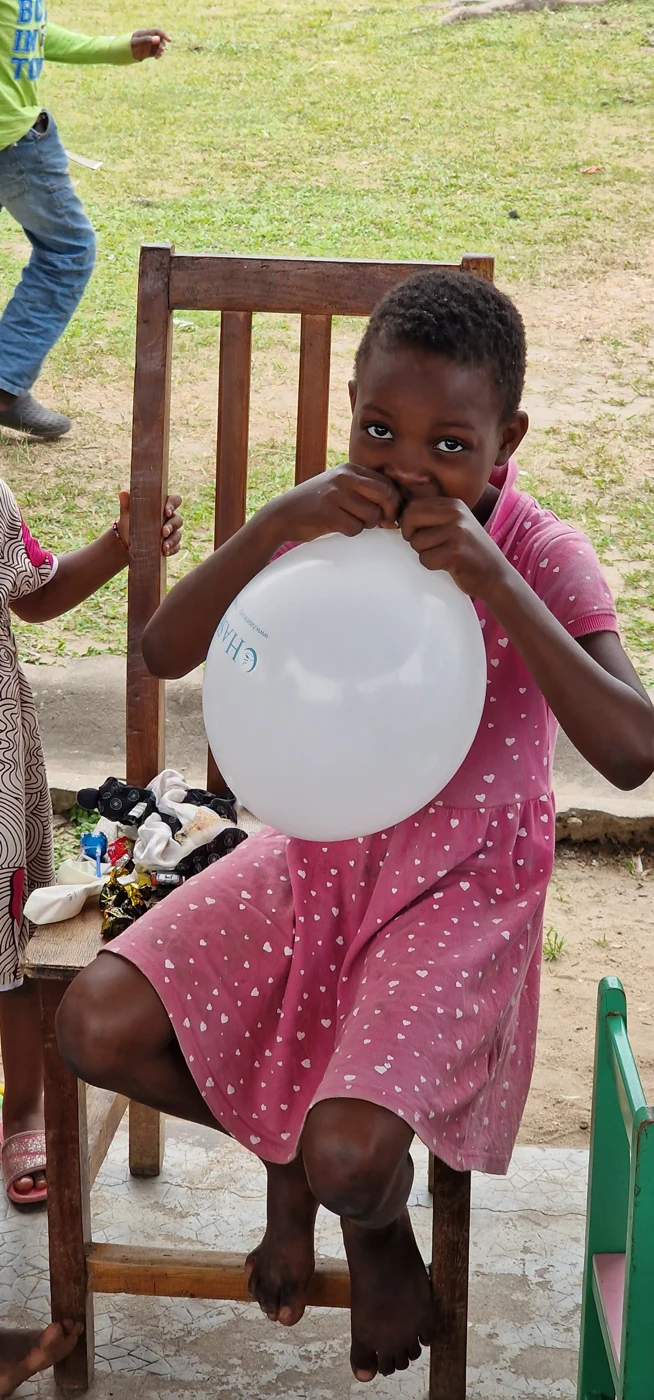
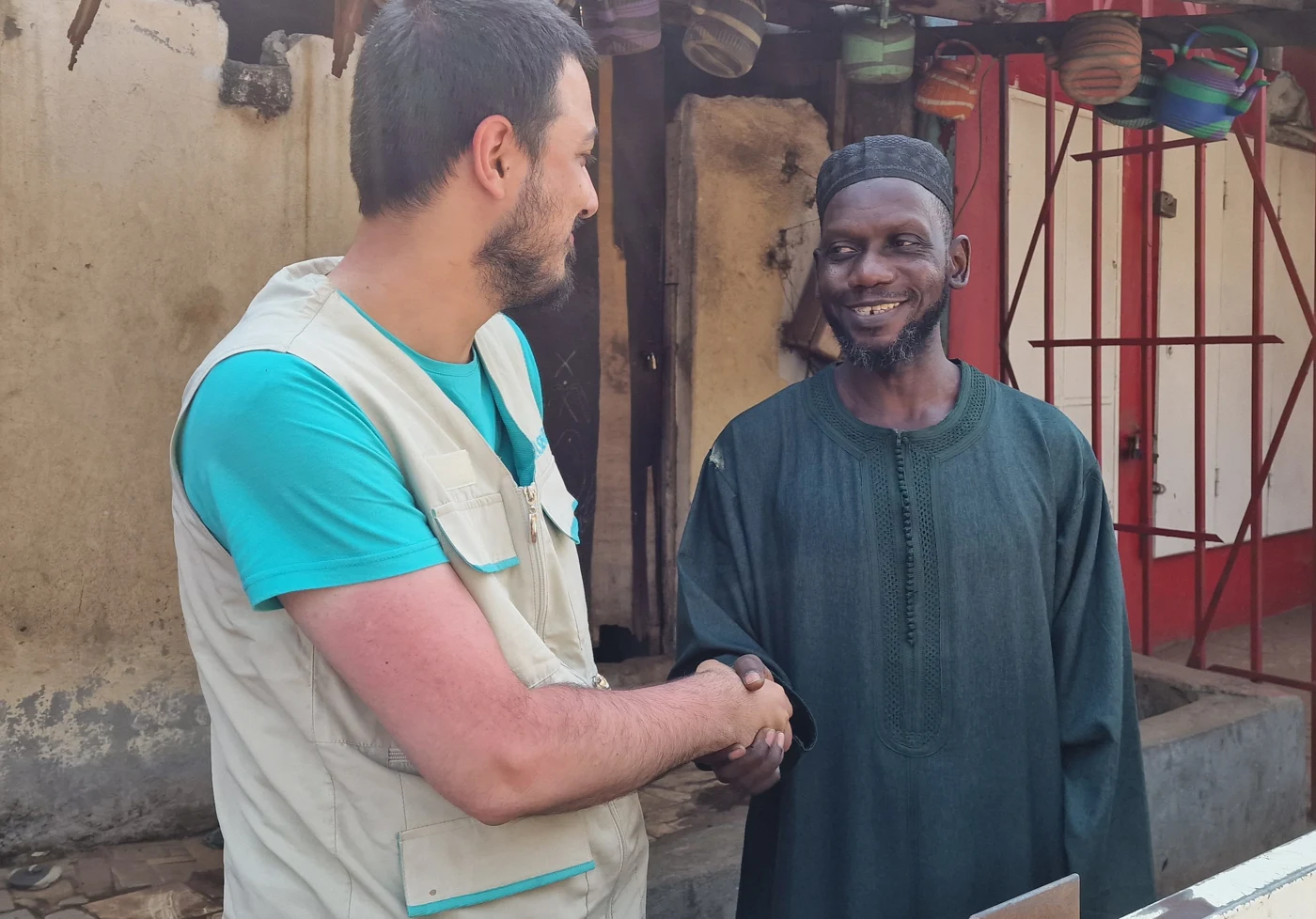
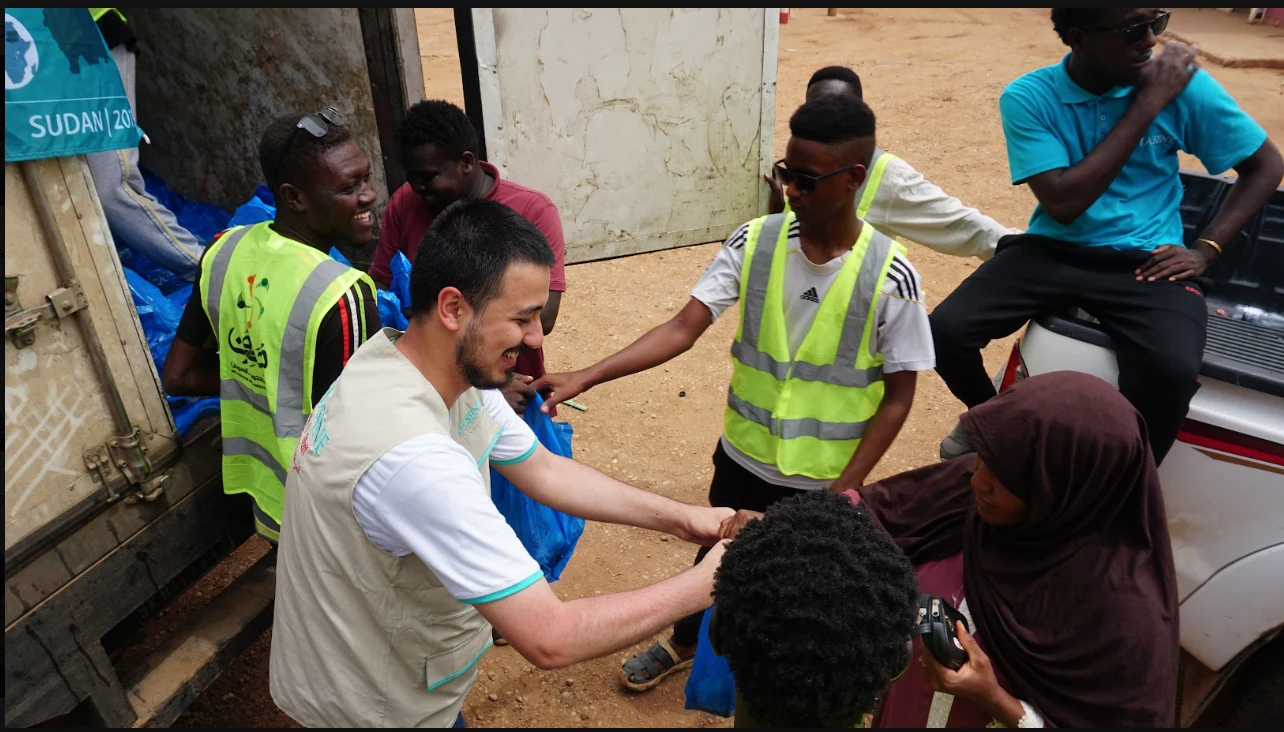
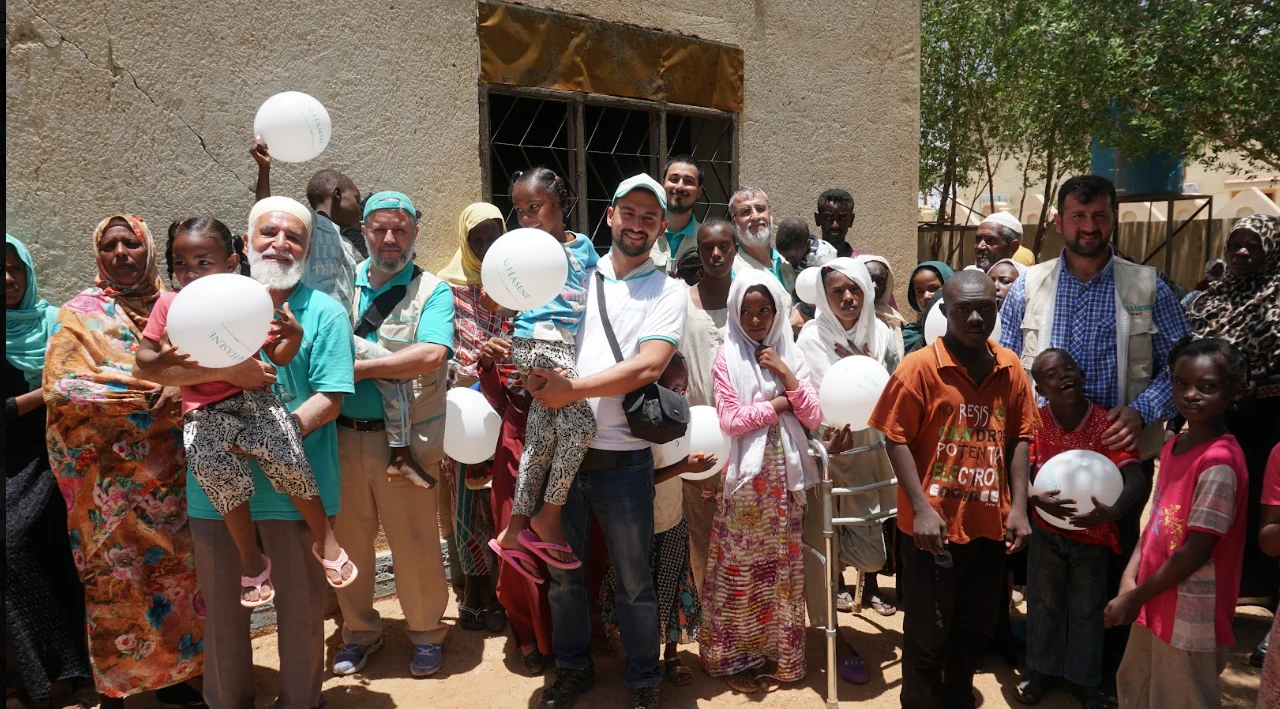
Photographs from my time volunteering in Sudan in 2019 and Gabon in July 2022.